
A quick oil swap focuses on draining the used engine oil, installing a filter, and refilling the engine. That service covers the basic lubrication needs, but it may leave little time to check the rest of the vehicle or notice problems that are beginning to develop.
A full-service oil change takes a broader approach. Along with replacing the oil and filter, the technician verifies the correct products, reviews accessible fluids, examines tires and visible brake parts, and looks beneath the vehicle for leaks or damage. The extra checks can provide useful warning before a small concern becomes a larger repair.
The Correct Oil And Filter Are Confirmed
Modern engines can require specific oil viscosities, performance standards, and manufacturer approvals. Two products with the same viscosity label may use different additive packages and may not meet the same requirements for turbochargers, timing chains, variable valve timing systems, or emissions equipment.
A full-service visit includes confirming the correct oil capacity and installing a filter designed for the engine. Filter size, sealing dimensions, internal valves, and flow characteristics can vary. After filling the engine, the technician checks the level and looks around the drain plug and filter for signs of leakage.
A quick service that relies on a general oil selection or an incorrect fill amount can create avoidable concerns. Too little oil may reduce protection, while too much can lead to foaming, leaks, or pressure problems.
Accessible Fluid Levels Are Reviewed
Engine oil is only one of several fluids the vehicle depends on. During a full-service visit, the technician may check coolant, brake fluid, transmission fluid where accessible, power steering fluid on equipped vehicles, and windshield washer fluid.
A low fluid level can provide an early clue that a system needs attention. Coolant loss may come from a hose, radiator, reservoir, water pump, or plastic housing. Low brake fluid may reflect worn brake pads or a hydraulic leak. Simply topping off the reservoir without looking for a cause can allow the concern to continue unnoticed.
Important fluid checks may include:
- Engine coolant level and visible condition
- Brake fluid level
- Transmission fluid where the design allows
- Power steering fluid on hydraulic systems
- Windshield washer fluid
- Clutch fluid on applicable vehicles
The technician should also use the correct fluid specification. Coolants, transmission fluids, and hydraulic products can look similar while having very different chemical or friction properties.
Tires And Brakes Receive Useful Attention
A full-service oil change often includes a tire pressure check and a basic review of tread condition. Incorrect pressure can affect braking, steering response, fuel use, and tire life. Cuts, bulges, embedded objects, sidewall cracking, and uneven wear may also be found.
Tread patterns can reveal concerns beyond the tire. Wear along one edge may point toward an alignment problem, while cupping may be connected to weak shocks, loose suspension parts, or wheel balance trouble. Finding the pattern early can help protect the remaining tread.
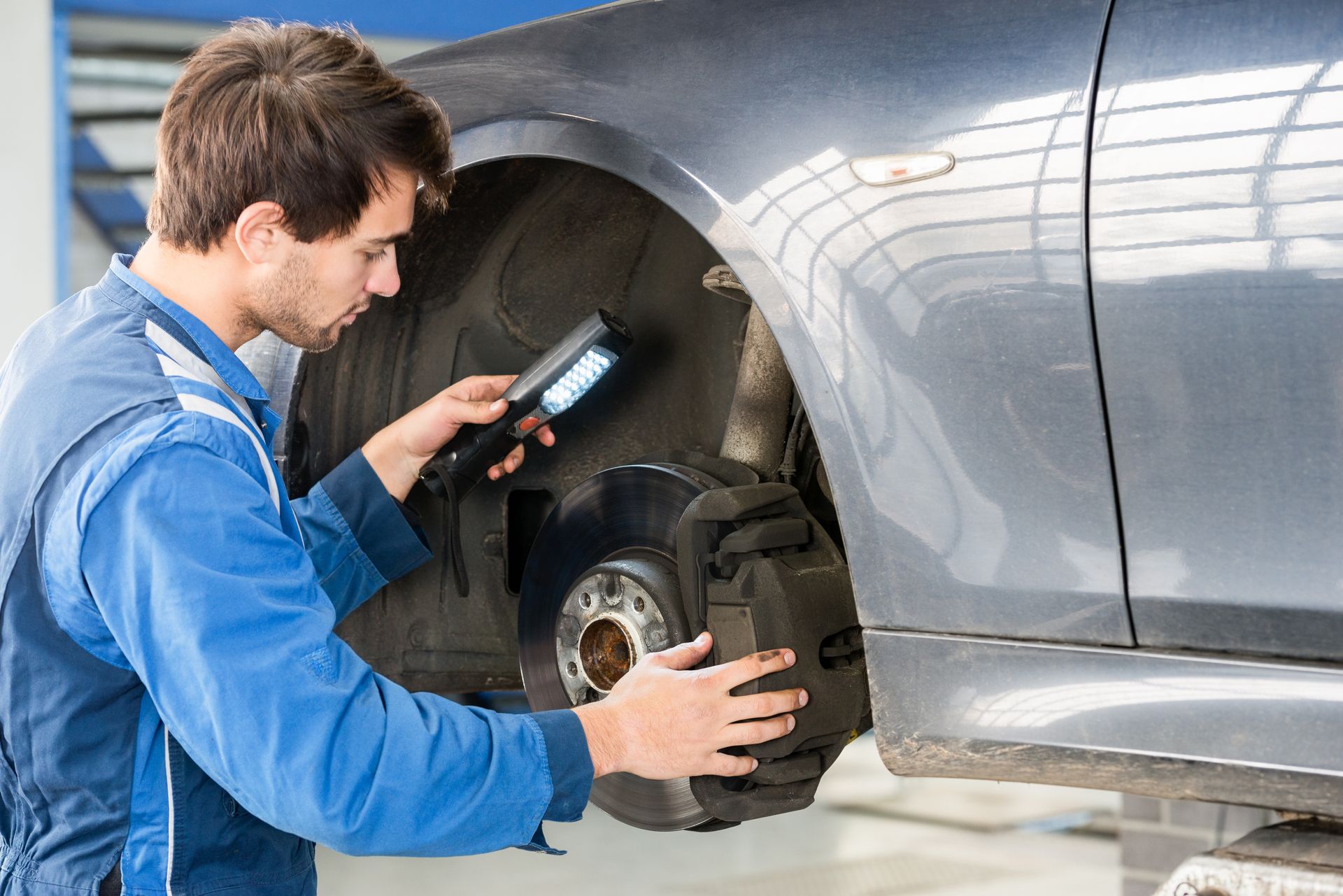
Depending on wheel design and whether the tires are rotated, visible brake components may also be checked. Thin pads, damaged rotor surfaces, fluid leakage, heavy brake dust, or uneven wear may lead to a more complete brake inspection before grinding begins.
Leaks And Underbody Damage Can Be Found
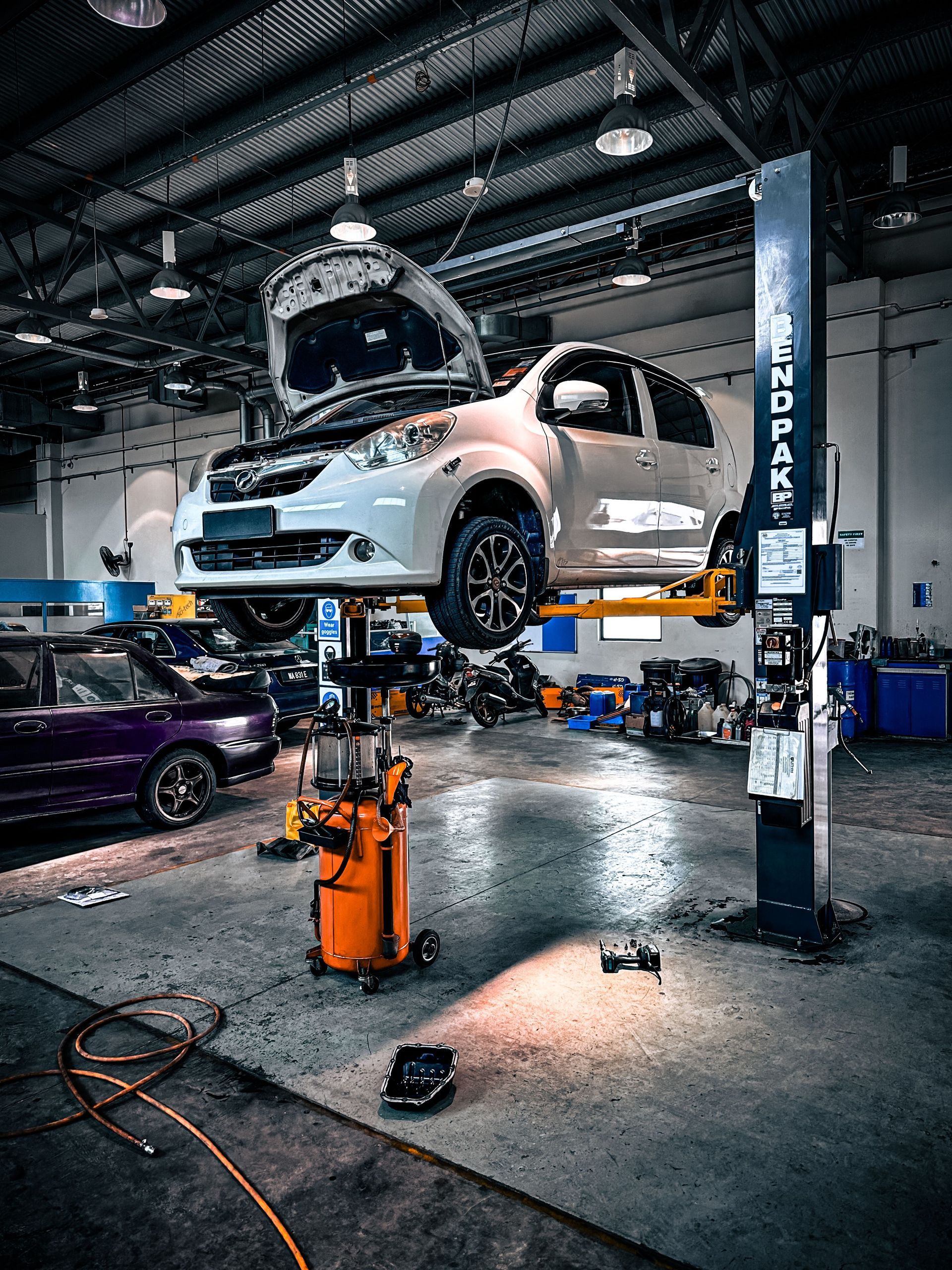
With the vehicle raised, the technician can examine areas that are difficult to see from above. Oil may appear around the pan, filter housing, valve covers, timing cover, or engine seals. Coolant, transmission fluid, or gear lubricant may be visible around hoses, housings, axle seals, or drivetrain connections.
Not every trace of residue requires immediate repair. A light seep may only need cleaning and monitoring, while active dripping or fluid reaching hot exhaust parts deserves quicker attention. The location and severity help determine the appropriate next step.
The same underbody check may reveal torn axle boots, loose exhaust parts, damaged splash shields, rusted components, or worn suspension bushings. Catching these concerns during regular maintenance provides time to plan service before a part fails on the road.
Belts, Hoses, And The Battery Can Be Checked
Drive belts operate equipment such as the alternator, water pump, and A/C compressor, depending on the engine. Cracks, frayed edges, glazing, contamination, or tensioner noise can indicate that the belt system is wearing out.
Cooling hoses may become swollen, brittle, soft, or cracked near their connections. Dried coolant residue can expose a slow leak before the fluid reaches the ground. A quick visual check may prevent a weakened hose from becoming an overheating problem later.
Battery terminals can also be checked for corrosion and loose connections. When the engine has started cranking more slowly, battery and charging system testing can reveal whether the battery is weakening or an electrical connection is restricting current.
A Full-Service Visit Helps Build A Repair Plan
The purpose of a full-service oil change is not to turn every visit into a long list of repairs. The inspection should identify which findings affect safety, which could cause additional damage, and which can be monitored until a future appointment.
Measurements and written records make recommendations easier to understand. Tire tread depth, brake pad thickness, battery test results, and fluid observations provide useful reference points for later visits. Tracking these changes helps prevent several overdue needs from becoming urgent at the same time.
A quick oil swap may be appropriate when the vehicle recently received a complete check, and only the oil service is due. For many drivers, however, the added attention of a full-service visit provides a clearer picture of the vehicle’s condition and better preparation for upcoming maintenance.
Get A Full-Service Oil Change In Fayetteville, GA, With Sam Smith Performance Car Care Center
Sam Smith Performance Car Care Center in Fayetteville, GA, can replace your engine oil and filter, verify the correct specifications, and check accessible fluids, tires, brakes, leaks, belts, hoses, and battery connections.